English Chamber Orchestra

English Chamber Orchestra Gala 2026

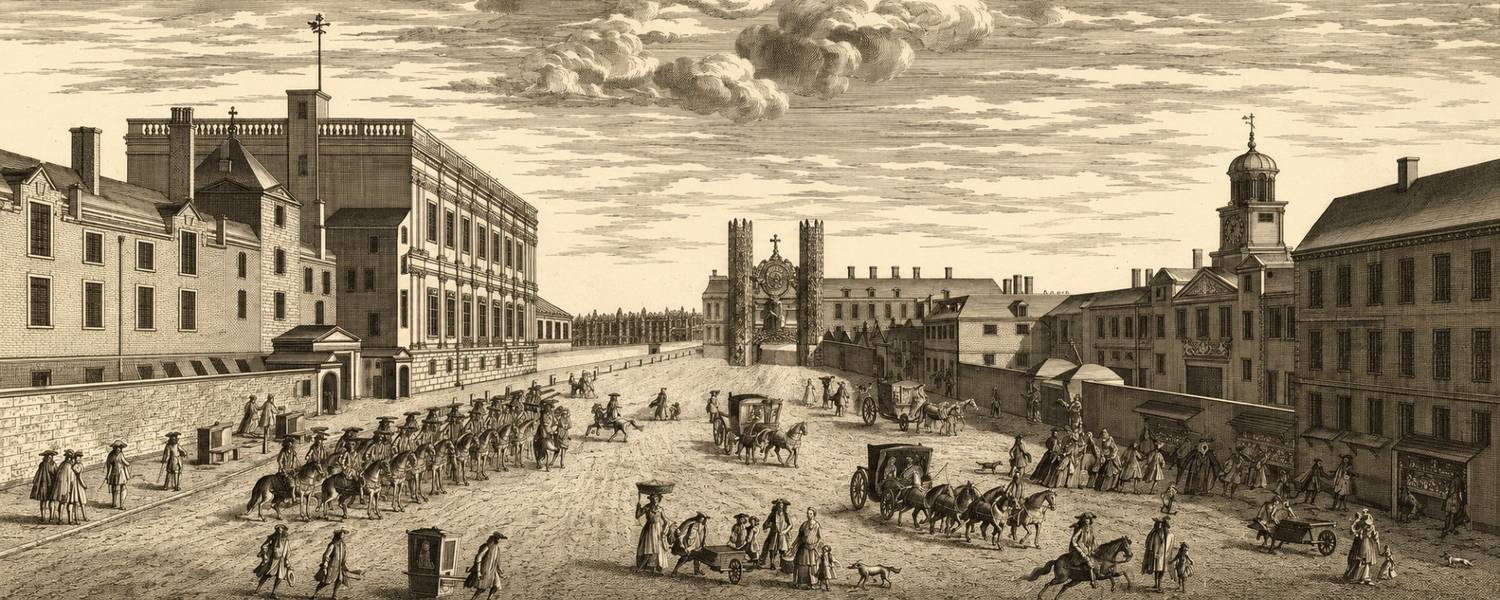
Banqueting House, Whitehall

A historic royal setting for an evening of music, heritage, and cultural legacy.
Banqueting House, Whitehall, is one of London’s most historically significant royal venues. It is the only remaining complete building of the former Palace of Whitehall, once the principal residence of English sovereigns from 1530 until the palace was destroyed by fire in 1698.

Today, Banqueting House is cared for by Historic Royal Palaces, the independent charity responsible for several of Britain’s most important royal landmarks, including the Tower of London, Hampton Court Palace, Kensington Palace, Kew Palace, Hillsborough Castle and Banqueting House itself.Its royal history and cultural significance make it a fitting setting for the English Chamber Orchestra Royal Gala 2026.
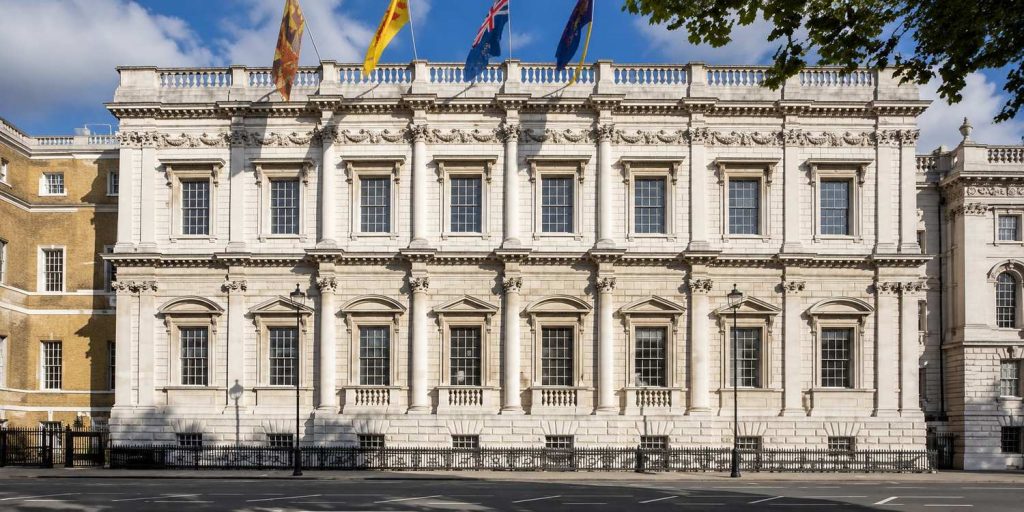
a masterpiece of British architecture history

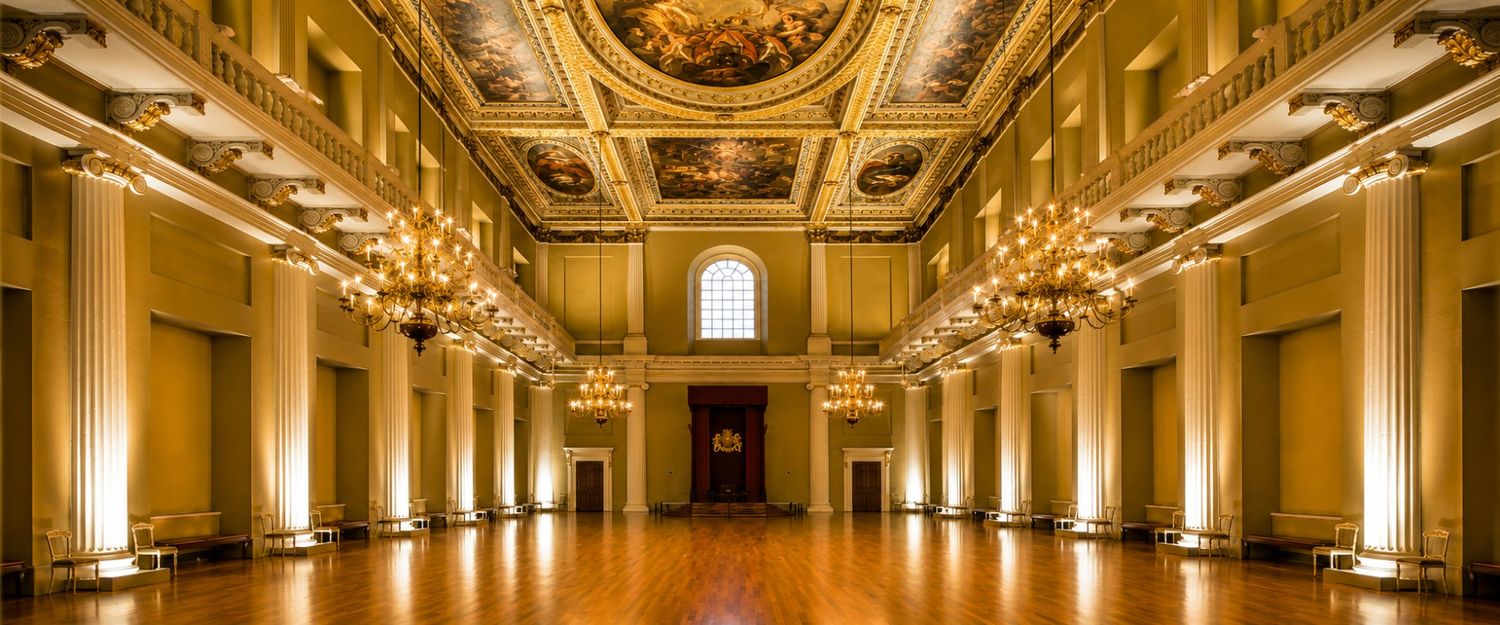
Designed by Inigo Jones and completed in 1622, Banqueting House introduced a new classical architectural language to Britain. Inspired by Renaissance Italy and the principles of Palladian architecture, it transformed the expectations of royal architecture in England.

Its proportions, clarity, and ceremonial grandeur were conceived not only for entertainment, but for royal display, state occasions, and the theatre of power. Historic Royal Palaces notes that the present building replaced an earlier Banqueting House built for court masques at Whitehall, and that the Stuart masques were shaped by the brilliant creative partnership of playwright Ben Jonson and designer Inigo Jones.

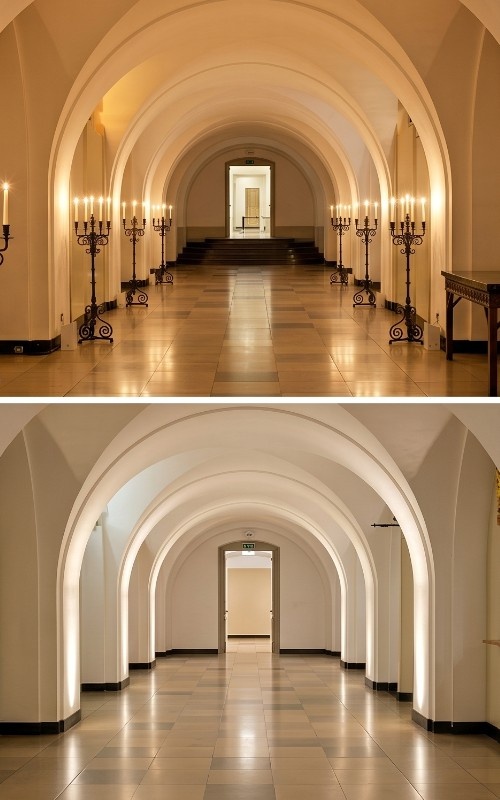
the undercroft

Beneath the Main Hall lies the Undercroft, one of the most atmospheric spaces within the building. Historic Royal Palaces describes it as a shadowy vaulted chamber originally created as an intimate drinking den for King James I and VI and his friends, giving the King and his royal favourites a degree of privacy in deliberate contrast to the magnificent public display of the Hall above.

For the English Chamber Orchestra Gala 2026, this creates a rare journey through two worlds: the private, vaulted intimacy of the Undercroft and the ceremonial splendour of the Main Hall.

The Rubens Ceiling

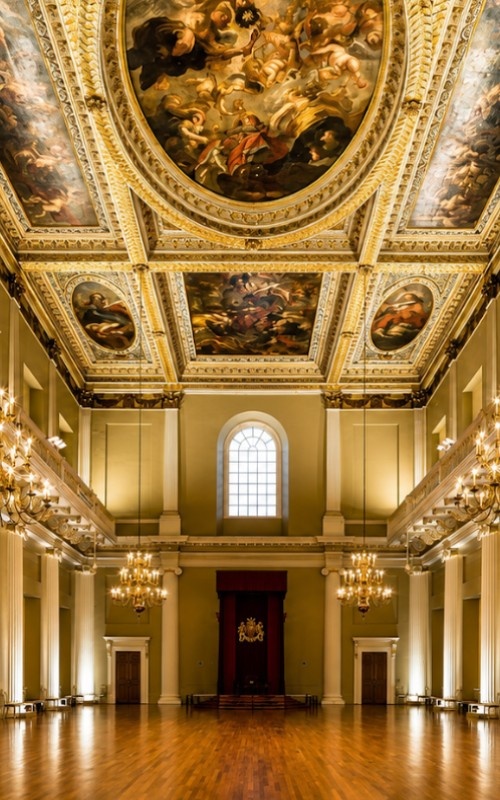
The Main Hall is crowned by one of Europe’s great artistic treasures: the monumental ceiling by Sir Peter Paul Rubens. Commissioned by King Charles I, the ceiling was conceived as a celebration of the Stuart monarchy and remains the largest surviving work by Rubens still in its original location in Europe.

Its great canvases honour the reign of James I and VI through allegorical scenes including the union of the crowns, the peaceful reign, and the apotheosis of the King.

A Place of Royal Ceremony

For centuries, Banqueting House was more than a setting for royal entertainment — it was a place where people came into the presence of the monarch.

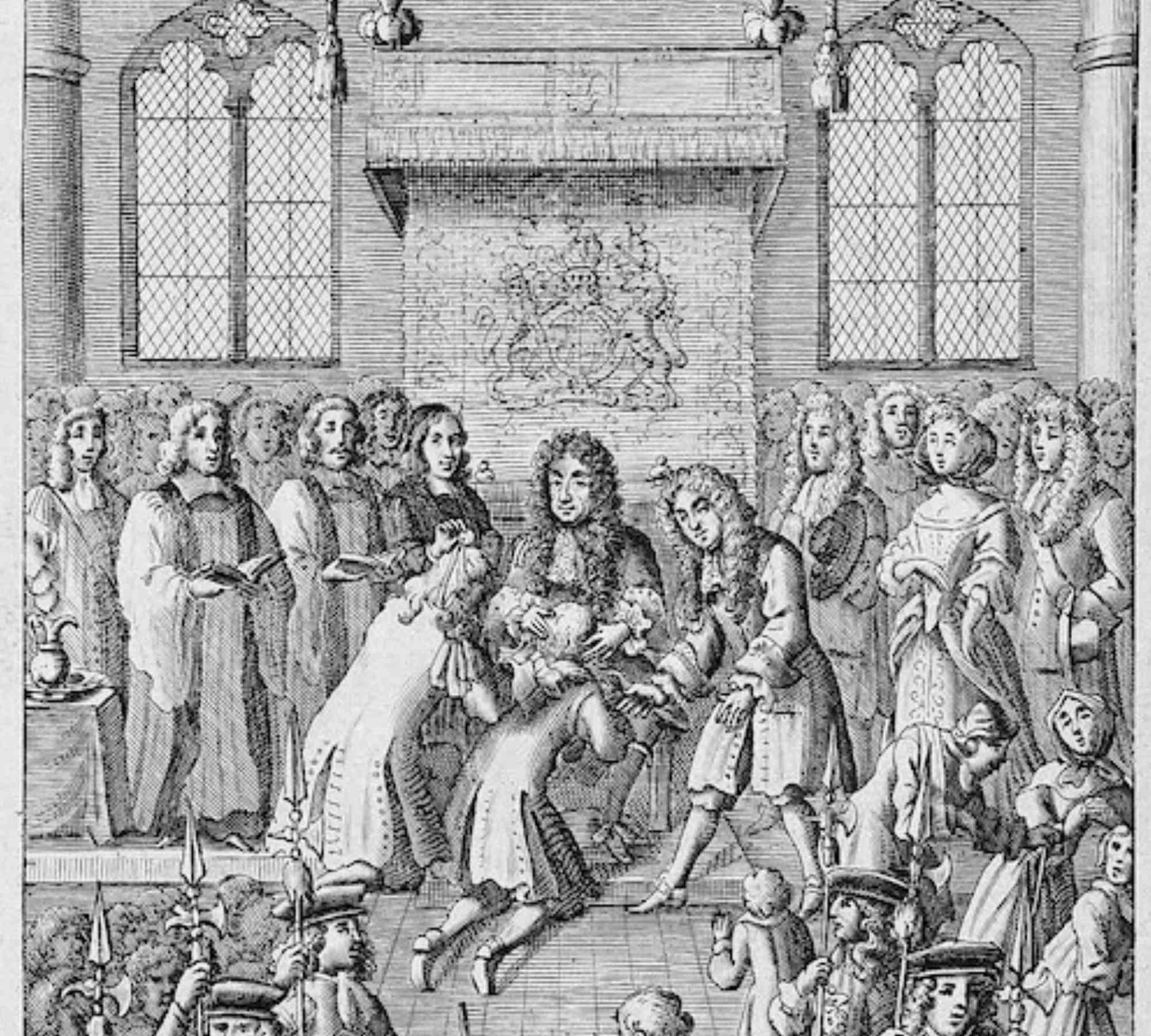
Among its most remarkable traditions was the ceremony known as “Touching for the King’s Evil.” People suffering from scrofula, an illness historically known as the King’s Evil, came to Whitehall in the belief that the sovereign’s touch could heal them.

Seated in state inside Banqueting House, the monarch received those admitted to the ceremony individually. After being touched, participants were presented with a small token known as an “angel”, traditionally worn around the neck. The practice was performed here by James I and Charles I, and later revived by Charles II, who touched more than 7,000 people at Banqueting House in the first six months following the Restoration of the monarchy. 

The tradition continued into the reign of Queen Anne, the last British monarch to perform the royal touch. The young Samuel Johnson was among those brought to Banqueting House to be touched by the Queen, and he kept his angel for the rest of his life. 

More than three centuries later, guests of the English Chamber Orchestra Royal Gala will gather within the same extraordinary walls — a place shaped by monarchy, ceremony and centuries of British history.

a place where history changed

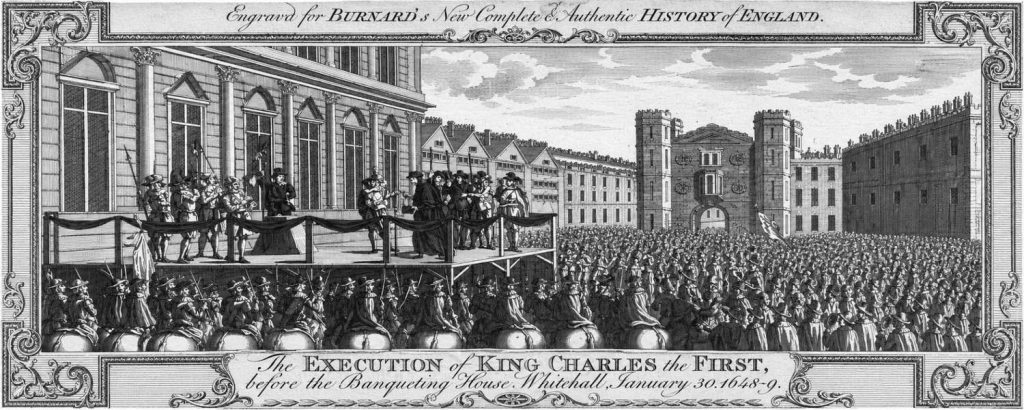
Banqueting House is also bound to one of the most dramatic moments in British history. On 30 January 1649, King Charles I was executed on a scaffold outside the building.

The setting carries a profound historical irony: a hall created to glorify the Stuart monarchy became the architectural backdrop to one of the monarchy’s most consequential ruptures.

Did You Know?

The Last Remnant of a Royal Palace

Banqueting House is the only complete surviving building of the Palace of Whitehall, once the principal residence of English monarchs and at its height one of the largest palace complexes in Europe.

Rubens Above Your Head

The magnificent ceiling guests see today was commissioned by King Charles I and painted by Sir Peter Paul Rubens. Installed in 1636, the monumental canvases remain in the setting for which they were originally created.

The Final Hours of Charles I

On 30 January 1649, King Charles I passed through Banqueting House immediately before his execution on a scaffold erected outside in Whitehall — one of the defining moments of British history.

A Stage for the Restoration

Following the return of the monarchy in 1660, Charles II used Banqueting House for magnificent court ceremonies and receptions, restoring the building's place at the heart of royal life.

At the Heart of Britain's Constitutional Story

Banqueting House witnessed important moments surrounding the reign of William III and Mary II and the constitutional transformation that followed the Glorious Revolution.

Built for Spectacle

Banqueting House was designed by Inigo Jones for the elaborate court entertainments known as masques — extraordinary combinations of music, theatre, dance, costume and stage design performed for the Stuart court.

one historic venue.

one unforgettable night.

Across four centuries, Banqueting House has witnessed royal ceremony, courtly performance, political theatre, private gatherings, public consequence, and artistic ambition. Its history includes court masques, ambassadorial occasions, state banquets, investitures, ennoblements, and receptions beneath Rubens’ breathtaking canvases.

For the English Chamber Orchestra Gala 2026, Banqueting House offers more than a venue. It provides a setting of rare cultural gravity: a surviving fragment of a lost royal palace, a masterpiece of British architectural history, a chamber of private royal society, a hall of artistic splendour, and a place where the story of the nation has quite literally turned.

One historic venue. One unforgettable night. A legacy for generations to come.
Designed by
Inigo Jones
Completed in
1622
Home to the
Rubens Ceiling
Part of Historic
Royal Palaces

An Evening in Support of Music, Heritage, and Future Generations

The English Chamber Orchestra Royal Gala 2026 will honour the Orchestra’s distinguished history while supporting its future. Through performance, patronage, and charitable support, the evening will contribute to the continued life, relevance, and accessibility of classical music for generations to come.